


Acorn oil turns a simple facial oil step into a heritage-rich luxury ritual. Used with intention, it nourishes skin while bringing ancestral plant wisdom into modern care.
Shop N8iV Beauty's Black Acorn Oil serum ritual
Acorn oil for skin is a nutrient-rich plant oil used to nourish, moisturize, and support the skin barrier. In N8iV Beauty rituals, Black Acorn Oil, or KWIILA, connects modern luxury skincare with Luiseno/Payomkawichum ancestral plant wisdom.
The essential question is not simply whether acorn oil belongs in luxury skincare, but how its qualities serve your skin and ritual. We will first explore "Acorn oil for skin: what it is and why it matters," then build a practical routine from that foundation. Here is how.
Acorn oil for skin: what it is and why it matters
Acorn oil in modern skincare
Acorn oil for skin is an acorn-derived oil used in topical formulas and daily beauty rituals. Its natural mix of oils and plant compounds gives formulators a distinct base for nourishing skin. It is not one single, standard ingredient, since the source acorn and processing method can vary.
The oil itself should not be confused with acorn shell extract or other acorn extracts. An extract may use a different part of the acorn and a different process. That difference matters when reading a label or weighing a product claim. The finished formula also shapes how any acorn-based ingredient feels on skin.
Modern research helps explain why the oil has earned interest. One published review describes acorns as a source of oleic acid and tocopherols. These compounds help explain the ingredient's place in cosmetic research. Still, the finding does not make every acorn-based formula equal.
Black Acorn Oil and KWIILA
For N8iV Beauty, Black Acorn Oil is more than a broad name for acorn extract. Known as KWIILA, it is the brand's hero ingredient and part of its luxury skincare approach. It joins ancestral plant knowledge with modern cosmetic formulas made for hydration, nourishment, radiance, and barrier support.
This context deserves care. KWIILA holds historical and cultural meaning within the Luiseno/Payomkawichum community, so it should not be treated as a passing beauty trend. N8iV Beauty presents the ingredient through living heritage and respect for protected Indigenous lands. Its modern ritual is open to people from all backgrounds.
Readers who want a deeper ingredient overview can explore the brand's guide to Black Acorn Oil benefits. That background helps clarify why source, cultural context, and formula design matter alongside the ingredient name.
A routine-first way to understand it
A benefits list can tell you what an ingredient may offer. A routine-first guide asks where it fits, what surrounds it, and how often it makes sense to use. Those practical choices shape the experience of acorn oil for skin more than an isolated claim does.
For example, a finished serum combines Black Acorn Oil with a full formula designed for a set step. The Black Acorn Oil serum formula shows how the ingredient appears within a complete product, rather than as a generic raw oil. Later sections focus on routine order, skin needs, and product pairing so the ingredient has a clear role.
This distinction keeps the guide useful without repeating a general benefits page. Instead of stopping at what acorn oil is, the routine-first view links the ingredient to daily choices. It also leaves room to consider skin type, texture, and the other products used in the same ritual.
What are the benefits of acorn oil for skin?
Acorn oil for skin offers a mix of moisture, nourishment, antioxidant support, and a softening feel. These benefits come from its natural fatty acids and protective plant compounds. Results still depend on the formula, your skin type, and steady use. Think of it as a supportive part of a full routine, not a treatment for a skin condition.
Moisture and barrier support
Acorn oil can help skin feel softer and more supple by adding an oil-rich layer to the surface. This layer may slow moisture loss and support the skin barrier. Research describes acorns as a source of oleic acid and tocopherols. These compounds help explain why the oil works well in nourishing cosmetic formulas.
That moisture support can also improve the look of rough or dull skin. When the surface is well conditioned, it often looks smoother and reflects light more evenly. Acorn oil does not add water to skin on its own. For a balanced routine, apply it with a water-based serum or moisturizer.
- Helps seal in moisture after cleansing or a hydrating serum.
- Supports a soft, comfortable feel when skin seems dry or tight.
- Helps smooth the look of rough texture through regular conditioning.
- Adds a subtle glow without relying on shimmer or pigment.
Antioxidant support and visible radiance
Acorn oil also brings antioxidant compounds to a skin care formula. A published review notes that acorn oil contains tocopherols, polyphenols, and other antioxidants. In cosmetics, antioxidants help support skin against daily oxidative stress. They do not replace sunscreen, but they can round out a daytime or evening routine.
Steady moisture and antioxidant support can make tired-looking skin appear more radiant. The effect is cosmetic and gradual, rather than a quick fix. A well-made acorn oil product may also help skin feel calm and comfortable. Still, soothing feel should not be confused with treating redness, irritation, or a medical condition.
Texture and visible fine line support
Fine lines can look more noticeable when the skin surface is dry. By conditioning that surface, acorn oil may soften their visible appearance and give skin a smoother finish. It cannot remove wrinkles or change the skin overnight. Readers focused on this goal can explore the anti-aging benefits of acorn oil in more detail.
Black Acorn Oil brings these cosmetic benefits into a luxury ritual rooted in ancestral wisdom. Its value is not based on one dramatic promise. Instead, it supports several linked needs: nourishment, barrier comfort, radiance, and a refined skin feel. Patch test any new formula, then watch how your skin responds over time.
How does acorn oil compare with familiar face oils?
Face oils can share a shelf without serving the same purpose. The right choice depends on your skin goals, preferred finish, and place in the routine. Acorn oil for skin stands apart through its mix of oleic acid and tocopherols, as noted in published acorn research.
Rosehip, argan, jojoba, and squalane each bring a familiar point of view to skin care. One may feel like a focused treatment, while another works as a simple final layer. Acorn oil offers a less familiar path, rooted in a rich ingredient story and a refined daily ritual.
Choosing by routine role
Think first about what you want the oil to do in your routine. Rosehip may suit a treatment-led routine focused on the look of tone and texture. Argan often feels at home in a rich ritual, while jojoba and squalane tend to suit simple, flexible layering.
Acorn oil can fill more than one of those roles. It brings nourishment and antioxidant support, yet it also gives the routine a distinct sense of place. That balance makes it worth considering beside better-known options, rather than treating it as a direct replacement.

Face oil comparison at a glance
| Oil. | Best known for. | Routine role. | Why acorn oil feels different. |
|---|---|---|---|
| Acorn oil. | Nourishment and antioxidant support. | Daily face oil or serum step. | Pairs skin care with an Indigenous ingredient story. |
| Rosehip. | A treatment-focused feel. | Targeted evening step. | Acorn oil feels broader and more ritual-led. |
| Argan. | A rich, comforting finish. | Face, hair, or body care. | Acorn oil has a more distinct skincare identity. |
| Jojoba. | Simple, flexible moisture. | Everyday layering. | Acorn oil adds a deeper sense of ritual. |
| Squalane. | A light, streamlined feel. | Final moisture layer. | Acorn oil offers a more storied experience. |
Use this comparison as a practical filter for your routine.
The table is a starting point, not a ranking. Texture and finish can change based on the full formula, not just its featured oil. A serum that includes acorn oil may feel quite different from a bottle of pure face oil.
Layering oils in a luxury routine
For a simple routine, apply an oil after lighter water-based steps and before a heavier cream. You can also press a small amount over moisturizer as the final touch. Start slowly, then notice how your skin responds to the full formula.
A blended treatment may be the easier entry point for someone new to acorn oil. The acorn oil serum formula places the ingredient within a complete luxury formula. This approach removes the need to choose between a focused serum and a ritual-rich face oil.
There is no single winner among these oils. Rosehip, argan, jojoba, and squalane remain useful choices for routines that suit their familiar profiles. Acorn oil feels different because it joins skin-focused care with heritage, intention, and a modern luxury format.
How to use acorn oil in your skincare routine
Acorn oil for skin fits best after cleansing and before a cream or lotion. This order gives the oil direct contact with clean skin. It also lets the final moisturizer help seal in the layers beneath it. During the day, sunscreen remains the last skincare step.
Start with a simple routine, then adjust the amount and frequency based on how your skin responds. Acorn oil contains oleic acid and tocopherols, according to published acorn research. Still, a thoughtful routine matters more than adding many products at once.
A simple layering order
Apply products from lighter textures to richer ones. Give each layer a brief moment to settle, but there is no need to wait until it feels fully dry.
Cleanse gently. Wash away sunscreen, makeup, and daily buildup without leaving skin tight. Pat the face dry with a clean towel.
Add mist or toner, if used. Press a light layer onto clean skin. Skip this step if toner is not part of your routine.
Apply a water-based serum. Use any light treatment serum before oil. Follow its label, especially when it contains retinol, acids, or other active ingredients.
Add the acorn-oil step. Smooth a small amount over the face and neck, avoiding the eye area unless the label says otherwise. The N8iV Beauty serum ritual offers a product-led way to add Black Acorn Oil.
Follow with moisturizer. Choose a texture that suits your skin and the season. A light lotion may suit daytime, while a richer cream may feel better at night.
Finish with SPF each morning. Apply a broad-spectrum sunscreen after moisturizer. Reapply it as directed on the product label during the day.
Add a Black Acorn Oil ritual to your evening routine
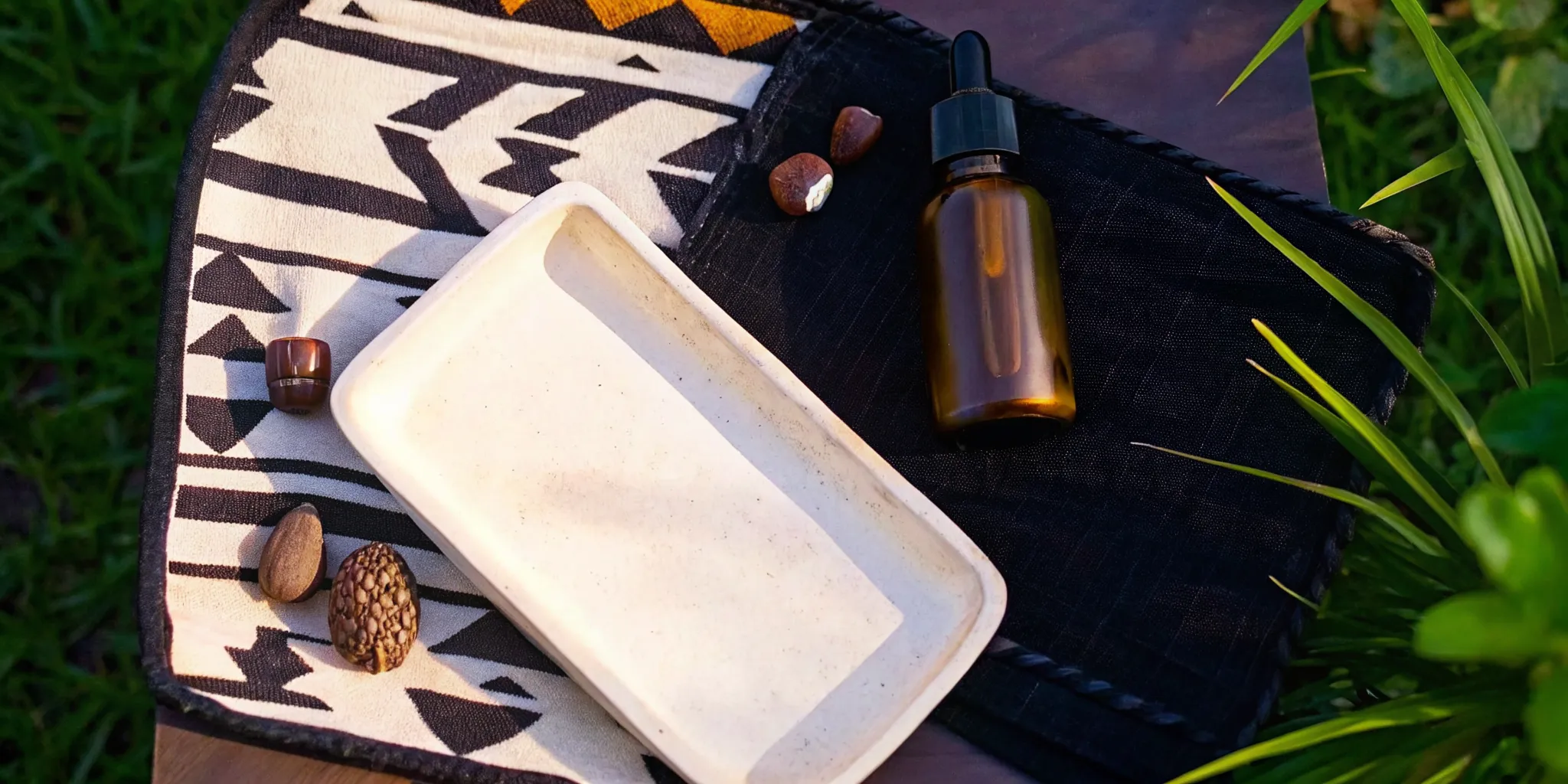
Morning and evening use
In the morning, keep layers light so sunscreen and makeup sit evenly. If the oil feels rich, use less or reserve it for evening. At night, apply it after water-based serums and before moisturizer as part of a calm luxury ritual.
There is no single schedule that suits every complexion. Some people may prefer acorn oil daily, while others may use it several evenings each week. Begin with a small amount and watch for comfort, dryness, or excess shine before changing the routine.
Care for sensitive or oily skin
Patch test a new formula on a small area before applying it across the face. Stop use if lasting redness, itching, or discomfort appears. People managing a skin condition should ask a qualified clinician before adding a new product.
Oily skin can also use facial oil, but the amount and surrounding products matter. Pair a small acorn-oil layer with a light moisturizer first. For more focused guidance, read about acorn oil for oily skin.
Who should consider acorn oil for face and body care?
Acorn oil for skin may suit people seeking nourishment without turning a daily routine into a long process. It can fit face or body care, but the right texture and amount depend on your skin. Start with a small amount, then watch how your skin looks and feels.
Dry, dull, or textured skin
Dry skin often benefits from an oil layered over a water-based moisturizer. This order helps seal in moisture and gives rough areas a softer feel. On the body, focus on places that tend to feel tight, such as elbows, knees, hands, and shins.
Dull or uneven-looking skin may also benefit from a steady, gentle routine. Acorn oil contains oleic acid and tocopherols, according to a published review of acorn nutrients. These compounds make it a useful option for people who want nourishing, antioxidant-rich care without a harsh exfoliating step.
Mature-looking and barrier-conscious skin
Mature-looking skin can feel drier and show changes in softness, tone, or texture. A facial oil can add comfort and help create a smooth-looking finish. It will not replace sunscreen, moisturizer, or other core steps, but it can support a calm luxury ritual.
Barrier-conscious readers may prefer a short routine built around gentle cleansing, moisture, and a final oil layer. People interested in plant oils can explore the brand's guide to Black Acorn Oil benefits. It explains how this heritage ingredient fits modern skincare while honoring its Indigenous roots.
Acorn oil may be worth considering if your goals include the following needs.
- Adding nourishment to dry face or body areas.
- Giving mature-looking skin a softer, more supple finish.
- Supporting a simple routine focused on comfort and radiance.
- Choosing a plant-based ingredient for a clean beauty routine.
Oily skin and careful first use
Oily skin still needs moisture, and some people prefer a light oil as the last step. Use only a drop or two, rather than coating the face. Readers can learn more about using acorn oil for oily skin before adding it to a routine.
Patch test any new cosmetic first, even if its ingredient list looks simple. Apply a small amount to a limited area and wait before wider use. Stop if redness, burning, itching, or swelling appears.
Do not apply a new cosmetic oil to broken, irritated, or compromised skin without professional guidance. A dermatologist can help if your skin reacts often or you have an active concern. This careful approach matters more than following a trend or using too much too soon.
What makes N8iV Beauty's Black Acorn Oil different?
N8iV Beauty treats Black Acorn Oil, or KWILA, as more than a trend-led plant oil. It is the heart of a luxury skin care line shaped by Luiseno/Payomkawichum knowledge. The brand sources it from protected Indigenous lands and connects each formula to a living cultural legacy.
That approach sets Black Acorn Oil apart from a generic acorn oil chosen only for its ingredient list. N8iV Beauty is the first Native American woman-owned luxury skin care company. Its products pair ancestral plant medicine with modern cosmetic formulas designed for a refined daily ritual.
A heritage-led source
Origin matters when choosing acorn oil for skin. For N8iV Beauty, the connection begins with the land, the founder's community, and respect for ancestral knowledge. This is not cultural imagery added after a formula is made. It shapes why Black Acorn Oil is used and how its story is shared.
The brand's heritage and founder story gives that source needed context. It also explains why KWILA belongs within a modern luxury ritual without losing its cultural meaning. This careful link between place, people, and product is central to the N8iV difference.
Plant chemistry with a clear purpose
Black Acorn Oil also has a useful cosmetic profile. Research describes acorns as a source of oleic acid and tocopherols. Another study reports that acorn oil contains antioxidants, tocopherols, and polyphenols. These compounds support the brand's focus on nourishment, radiance, and a cared-for skin barrier.
The science does not replace the ingredient's cultural roots. Instead, it helps explain why this traditional plant oil fits a modern formula. A published review of acorn oil composition provides a grounded view of its antioxidant compounds. N8iV Beauty then places that profile within a full luxury skin care experience.
From hero ingredient to complete formula
An oil's origin and chemistry matter, but the finished formula shapes the skin care experience. N8iV Beauty does not present Black Acorn Oil as a cure-all. The brand uses it as a hero ingredient within products made to support visible radiance, texture, moisture, and barrier care.
The finished serum ritual shows how KWIILA moves from heritage ingredient to a focused daily product. Its role is part of a broader formula and ritual, not a promise built on one oil alone. That balance of cultural authenticity, ingredient research, and modern efficacy defines N8iV Beauty's approach.
The result is a distinct view of acorn oil for skin. Black Acorn Oil carries a known source, a respected cultural connection, and a clear place in luxury skin care. It is both an ancestral ingredient and a carefully framed part of present-day cosmetic care.
How to shop for acorn oil skincare with confidence
Clear sourcing and respectful context
Start by asking where the acorns come from, how the oil is made, and who benefits from its use. Clear sourcing should name the ingredient and explain its cultural context without turning Indigenous knowledge into a trend. For N8iV Beauty, Black Acorn Oil reflects Luiseno/Payomkawichum ancestral plant knowledge and a modern luxury ritual. You can learn about the heritage and founder before choosing a formula.
Next, look for claims that match the available evidence. Research describes acorn oil as a source of oleic acid and tocopherols, rather than a cure or medical treatment. A published review of acorn composition offers useful context for reading an ingredient story. Trustworthy product copy should focus on cosmetic goals, such as nourishment, moisture, radiance, and barrier support.
Formula fit and ingredient pairing
Acorn oil for skin is only one part of a finished formula. Read the full ingredient list, then consider your skin type and current routine. A rich cream may suit a dry evening ritual, while a lighter serum may layer well in the morning. Texture matters because a product only adds value when you enjoy using it often.
- Check whether the formula's texture suits your preferred routine and climate.
- Review the full ingredient list for known personal sensitivities.
- Follow the label when pairing it with retinol, exfoliants, or other active products.
- Try one new product at a time so you can track how your skin responds.
For a product-led starting point, review the texture, directions, and ingredient details for the Starlight acorn oil formula. Compare those details with products already in your routine. This simple check helps avoid layers that feel too heavy or duplicate the same role.
Service and luxury ritual value
A luxury product should offer more than an appealing jar. Before ordering, review the return policy, shipping terms, support options, directions, and packaging details. These practical points help you judge the full experience without relying on price as a sign of quality. They also matter when you are trying a new texture or ingredient.
Decide what role the product will play in your ritual. It may be a daily serum, a rich night step, or a thoughtful moment of care. The right fit should pair clear sourcing and respectful context with a formula you will use. That balance makes the purchase feel grounded, personal, and worth returning to.
Explore N8iV Beauty's full skincare collection
Frequently Asked Questions
What are the skin benefits of acorn oil?
Acorn oil can nourish the skin, support its moisture barrier, and help defend against oxidative stress. A published review of acorn oil identifies antioxidants, tocopherols, and polyphenols among its components. These properties make it a useful ingredient in formulas designed to improve softness, comfort, and visible radiance without making medical treatment claims.
How do you use acorn oil in a skincare routine?
Apply an acorn oil serum after cleansing and water-based treatments, then follow with moisturizer if needed. Use the amount and frequency listed on the product label, since formulas vary. Patch test a new product before applying it broadly, especially if your skin is sensitive. During the day, finish with broad-spectrum sunscreen to protect the results of your skincare routine.
What is Black Acorn Oil and its role in skincare?
Black Acorn Oil is N8iV Beauty's proprietary skincare ingredient, rooted in the plant medicine traditions of the Luiseno/Payomkawichum people. In modern cosmetic formulas, it supports nourishment, moisture retention, and visible radiance. Its role is both functional and cultural, connecting carefully sourced acorns from protected Indigenous lands with sophisticated skincare formulas while respecting the ingredient's ancestral significance.
Does acorn oil help with anti-aging?
Acorn oil may support a routine focused on visible signs of aging because it contains antioxidant compounds and nourishing fatty acids. Research describes acorns as a source of oleic acid and tocopherols. These components can help maintain softness and defend against oxidative stress. Results vary, and acorn oil should complement daily sunscreen rather than replace it.
Can acorn oil be used on oily skin?
Acorn oil can be used on oily skin when it appears in a well-formulated product suited to that skin type. Start with a small amount and watch how your skin responds over several days. Choose lightweight formulas, avoid layering several rich oils, and reduce use if congestion develops. A patch test can help identify irritation before applying the product across the face.
Ready to Make Acorn Oil Part of Your Ritual?
Waiting to refine your routine can mean more time spent layering products that do not reflect your skincare priorities or preferred sense of luxury. Starting now gives you time to introduce acorn oil with care, notice how it fits, and create a steady ritual without unnecessary changes. A thoughtful start also helps you avoid rushed choices and focus on the texture, comfort, and finish that matter most to your daily experience.
Ready to take the next step toward a more considered, consistent, and enjoyable luxury skincare ritual for the months ahead? Explore the N8iV Beauty collection today to compare options and choose a focused addition for your current routine.
