


Dark spots do not need a harsher routine; they need a smarter, steadier one. The right oil brings targeted actives and barrier-supporting moisture into one considered ritual.
Shop Starlight Regenerative Acorn Oil Serum for a premium oil-based ritual built around Black Acorn Oil, vitamin C, retinol, plant stem cells, and hyaluronic acid.
A face oil for pigmentation and dark spots should do more than leave a glossy finish. Look for a balanced formula that pairs tone-supporting actives, such as vitamin C or retinol, with lipids that moisturize and support the skin barrier. N8iV Beauty's Starlight Regenerative Acorn Oil Serum combines vitamin C and retinol with hyaluronic acid, plant stem cells, and Black Acorn Oil. Black Acorn Oil contains omega-9 for moisturization and omega-6 for barrier repair. Because irritation can make uneven tone harder to manage, introduce active formulas slowly, patch test first, and use sunscreen each morning.
Choosing well starts with knowing which formula features matter, how to layer them safely, and what realistic progress looks like. Next is how a face oil for pigmentation and dark spots should work, the standard that separates a true treatment ritual from simple shine.
How a face oil for pigmentation and dark spots should work
What face oil can do
A face oil for pigmentation and dark spots should support a calm, well-moisturized barrier. It should also help skin look brighter and more even. It should not promise to erase pigment or act as a cure. Instead, oil can seal in moisture and carry useful cosmetic ingredients within a balanced routine.
This role matters because dry, stressed skin can look dull and make uneven tone seem more marked. A well-made oil adds softness and glow without relying on harsh treatment claims. Oils with antioxidant-rich plant ingredients may also help care for skin exposed to daily stress.
Delivery, sealing, and ingredient fit
Face oil works best as a delivery and sealing step, not as the whole answer. Apply it after lighter serums and moisturizer so it helps hold in hydration. N8iV Beauty's Starlight Regenerative Acorn Oil Serum pairs an oil-based ritual with retinol, Vitamin C, plant stem cells, and hyaluronic acid.
The full formula matters more than a single trendy oil. Research may study oils as part of a wider blend, rather than as stand-alone fixes. A PubMed-indexed study on apple oil rich in ursolic acid found measurable changes in UV spot scores. Brown spot scores, and melanin index after consistent topical use in a finished formula. That finding supports a formula-first view, not a claim that any one oil will remove dark spots alone.
- Moisture support: Look for a finish that leaves skin soft, not greasy.
- Antioxidant care: Choose botanicals that support visible radiance.
- Full formula clarity: Check the ingredient list for actives suited to your routine.
- Realistic claims: Avoid products that promise permanent or instant pigment removal.
Sunscreen and a steady routine
A face oil should sit within a steady routine built around gentle care and daily sunscreen. In the morning, apply the oil after moisturizer, then finish with sunscreen. This order helps seal in moisture while keeping sun protection as the final skin care step.
Consistency also makes it easier to judge visible changes in glow, comfort, and even-looking tone. For more context on plant oils, explore this guide to face oil rooted in Indigenous ingredients. Give each new product time, and stop use if it causes lasting discomfort.
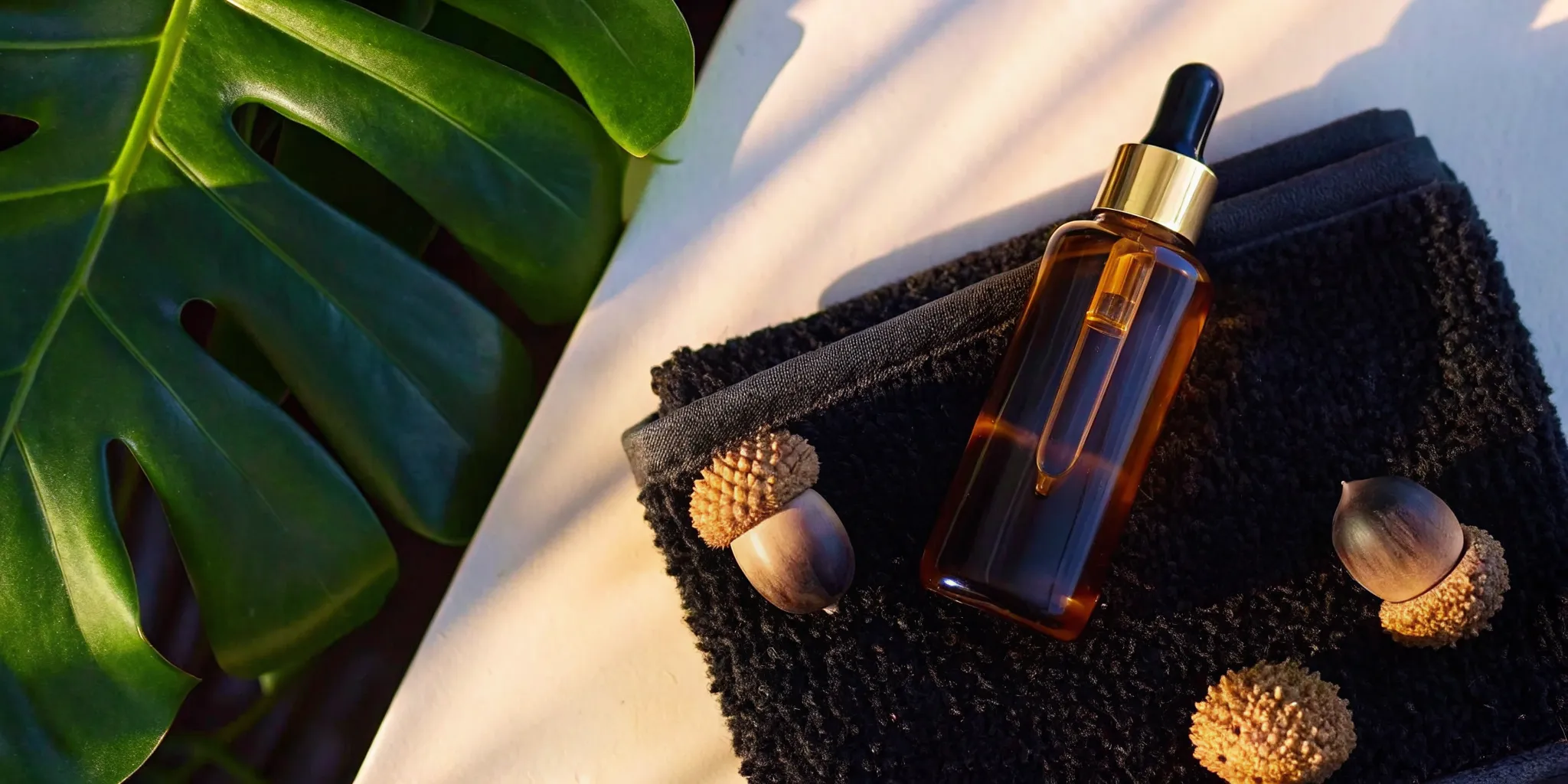
Ingredients to look for in a brightening face oil
A balanced oil base
A face oil for pigmentation and dark spots should do more than add shine. Look for a balanced base that supports moisture and helps skin feel calm. Antioxidant-rich oils can also help defend the skin from daily stress that may dull its look.
Linoleic acid and oleic acid each bring a different quality to a formula. Linoleic acid supports the skin barrier, while oleic acid helps moisturize and soften. Black Acorn Oil, also called KWIILA, contains both fatty acids plus gamma-tocopherol. Its heritage and botanical role are explored in this guide to Black Acorn Oil ingredient story.
| Ingredient or feature. | What to look for. | Cosmetic role. |
|---|---|---|
| Black Acorn Oil (KWIILA). | Oleic acid, linoleic acid, and antioxidants. | Moisture, nourishment, and barrier support. |
| Rosehip or grapeseed oil. | Antioxidant-rich botanical oil. | Supports a smooth, radiant look. |
| Vitamin C. | A stable form in a well-made formula. | Helps improve the look of dull, uneven tone. |
| Retinol. | Clear strength and use directions. | Supports smoother-looking texture and tone. |
| Hyaluronic acid and plant stem cells. | Paired with a nourishing oil base. | Supports hydration and a refreshed appearance. |
Brightening actives and hydration
Vitamin C is a useful choice when visible dullness and uneven tone are the main concerns. Retinol can support a smoother, more even-looking surface over time. These actives can feel strong, so formula quality and clear directions matter as much as the ingredient list.
Hyaluronic acid adds hydration, while plant stem cell ingredients can support a refreshed look. Neither replaces a nourishing oil base. A thoughtful blend pairs these ingredients with oils that reduce the dry feel some active-led routines can cause.
Evidence and compatibility
Choose formulas with clear ingredient lists and realistic cosmetic claims. Research has examined antioxidant-rich botanical oils and brightening formulas, but that does not mean every oil treats pigmentation. The best takeaway is careful interest, not a promise of permanent results.
Check how a new oil fits with the rest of your routine. If you already use retinol or vitamin C, avoid stacking several strong products at once. Start slowly, follow the label, and watch for dryness or discomfort before increasing use.
Texture also matters. Dry skin may prefer an oleic-rich blend, while skin that feels easily congested may favor a lighter formula. The best choice balances brightening ingredients, barrier support, and a finish you will use with care.
Match the oil to your skin type and routine
The right face oil for pigmentation and dark spots should suit both your skin and the rest of your routine. Texture, dose, and layering matter as much as the featured oils and active ingredients. Think of application as a calm luxury ritual: a few well-placed drops, pressed in without rushing.
Dry, mature, and sensitive skin
Dry and mature skin often welcome a richer oil that helps seal in moisture. Apply it after moisturizer, using two to three drops across the face and neck. Press gently with warm hands instead of rubbing, which makes the final step feel both soothing and precise.
Sensitive skin needs a slower start, even when the formula feels silky and refined. Patch test a small area first, then wait before applying the oil across your face. If your routine already includes retinol or another strong active, introduce only one new formula at a time.
Oily and combination skin
Oily skin can still use facial oil, but a light texture and restrained dose are key. Start with one drop after a light moisturizer, then watch how your skin feels through the day. Combination skin may need oil only on dry areas, while the oilier T-zone gets none.
- Lighter feel: Choose a finer texture if shine or heaviness appears soon after use.
- Seasonal adjustment: Use less oil in warm, humid weather and adjust as your skin changes.
- Consistent testing: Keep the same gentle dose for several uses before deciding whether it fits.
Ingredient research can guide your choice, but skin response remains personal. Antioxidant-rich botanical oils may support skin comfort and appearance, while the whole routine still determines how your complexion looks over time. Not every oil suits every person.
Layering your evening ritual
Apply products from lighter to richer textures: cleanse, use water-based serum, add moisturizer, then press on oil. In the morning, finish with sunscreen rather than relying on oil for sun protection. A simple order makes it easier to track comfort, texture, and visible changes over time.
For a more active-rich option, review the Starlight Regenerative Acorn Oil Serum before adding it to your ritual. Compare its ingredients with the active products you already use. If you are still weighing textures and formulas, this guide to best luxury face oils offers more selection context.
How do you use face oil for dark spots?
Use face oil for pigmentation and dark spots as one part of a steady skin care routine. It can support moisture and radiance, but it cannot promise permanent dark spot removal.
Daily sun protection also matters because sunlight can make uneven tone look more pronounced. Oils are most useful when they sit inside a routine that protects the skin barrier and avoids unnecessary irritation.
Your step-by-step routine
Apply products from lighter textures to richer ones. This order lets treatment serums meet clean skin while face oil helps seal in moisture.
- Cleanse gently: Wash with a gentle face wash, then pat your skin dry without rubbing.
- Apply treatment first: Use your treatment serum as directed and let it settle before adding the next layer.
- Add moisturizer: Use a richer cream for dry skin or a lighter layer for oily skin.
- Press in face oil: Warm two to three drops between clean fingertips, then press over your face without pulling.
- Finish with sunscreen: In the morning, apply broad-spectrum sunscreen and reapply as directed outdoors.
The order is simple: cleanse, treatment serum, moisturizer if needed, face oil, then morning sunscreen. N8iV Beauty also advises using two to three drops after moisturizer and finishing with sunscreen in the morning.
Evening and morning use
In the evening, take time to press the oil into areas that look dry or uneven. Do not scrub dark spots, since force does not help an oil work better.
In the morning, use a light layer so sunscreen can sit evenly on top. If the layers pill, use less oil or allow more time between each product.
Consistency without overuse
Use the routine consistently and watch how your skin responds. Dark spots often change slowly, so judge progress over time rather than after one use.
More oil is not always better. Two to three drops can cover the face without leaving a heavy finish, and sensitive skin may need a slower start.
Formula choice also shapes the experience. An Indigenous skincare face oil guide guide can help you compare oils, their roles, and the story behind their ingredients.

What should you avoid when choosing a face oil?
A face oil for pigmentation and dark spots should support a steady routine, not promise a permanent fix. Avoid labels that claim to cure pigmentation, erase every mark, or deliver guaranteed results. Dark spots can have many causes, so honest product language should focus on the look of tone, texture, and radiance.
Claims without a clear formula
Do not choose an oil only because it is trending or has attractive packaging. Read the full ingredient list and look for a clear reason each formula suits your goal. A formula with meaningful supporting actives gives you more to evaluate than a single fashionable ingredient name.
Also question vague formulas that promise brighter-looking skin without naming useful supporting actives. Ingredients such as vitamin C or retinol may help shape a more focused routine. Still, the whole formula, strength, skin fit, and regular use matter more than one familiar name.
Fragrance that does not suit your skin
A strong scent can make an oil feel luxurious, but it may not suit reactive skin. If fragrance often bothers your skin, choose a mild or fragrance-free formula instead. Patch test a small area, then watch for redness, itching, or discomfort before applying it across your face.
Texture matters, too. A rich oil may feel soothing on dry skin, while a lighter blend may suit other routines. A thoughtful premium oil selection guide choice should reflect your skin, current products, and comfort, not a social media trend.
Oil used in place of sunscreen
Face oil does not replace sunscreen. Use oil as a supporting step, then finish your morning routine with sunscreen. N8iV Beauty's face oil application guide advises applying a few drops after moisturizer and finishing with sunscreen in the morning.
Be wary of any product that suggests oil alone can shield skin from daily sun exposure. Keep each product in its proper role. Oil can add moisture and carry selected actives, while sunscreen serves as the final protective step in the morning.
Why Starlight is a luxury choice for visible tone
A complete formula, not a single-oil promise
Starlight takes a formula-first approach to visible tone. Its Black Acorn Oil, also called KWIILA, is paired with retinol, plant stem cells, vitamin C, and hyaluronic acid. Together, these ingredients support a well-rounded ritual for hydration, radiance, texture, and the look of uneven tone.
That blend matters when choosing a face oil for pigmentation and dark spots. It shows why shoppers should assess the full formula before choosing a product for uneven-looking tone. Evidence about one ingredient does not prove that every oil will fade a spot.
Starlight makes no need for that leap. Retinol and vitamin C give the serum a clear tone-focused role, while hyaluronic acid helps support moisture. Plant stem cells and Black Acorn Oil round out the experience. The result is a layered formula, rather than an oil sold on one broad claim.
The role of Black Acorn Oil
Black Acorn Oil gives Starlight its distinct place in luxury skincare. KWIILA contains oleic acid for moisture, linoleic acid for barrier support, and gamma-tocopherol. These features make it a thoughtful base for skin that needs comfort while following a tone-focused routine.
Its value also reaches beyond an ingredient list. N8iV Beauty connects Black Acorn Oil with ancestral plant medicine and protected Indigenous lands. The brand's Our Story page explains the heritage behind this approach. That context matters to buyers who want cultural authenticity with modern skin care.
This heritage is not used as a shortcut for results. Instead, it shapes how the formula is made and understood. Starlight pairs a signature botanical with familiar modern ingredients. It offers a clear reason to choose it over a generic oil with no stated tone or moisture strategy.
What to expect from Starlight
A careful expectation is visible support, not permanent dark spot removal. Tone can change slowly, and results vary with skin type, routine, and the cause of discoloration. Starlight is best viewed as one part of a steady luxury ritual.
Use the Starlight Regenerative Acorn Oil Serum according to its product directions. Keep the rest of the routine gentle and consistent. Because the formula contains retinol, pay attention to how your skin responds and avoid adding too many strong products at once.
- Complete formula: Choose it for Black Acorn Oil with retinol, vitamin C, plant stem cells, and hyaluronic acid.
- Visible support: Expect support for hydration, radiance, texture, and the look of uneven tone.
- Realistic use: Do not treat it as a promise to erase pigmentation or remove dark spots for good.
For values-driven buyers, the luxury lies in both composition and context. Starlight brings a purposeful ingredient blend into a heritage-led ritual. It gives shoppers a specific option when they want visible-tone care without overstated promises.
Shop Starlight Regenerative Acorn Oil Serum to add a formula-first face oil for pigmentation and dark spots to your evening ritual.
How long does a face oil take to support visible tone?
Most people notice surface comfort and radiance before they see a clearer, more even-looking tone. A face oil may help skin look supple soon after use. Changes in the look of dark spots tend to need more patience. Treat the process as a steady skin ritual, not a quick correction.
A realistic timeline for visible change
There is no single deadline for results from a face oil for pigmentation and dark spots. Timing depends on the formula, the cause of the spot, and how often you apply it. Published research on finished brightening formulas can show measurable visible changes over weeks, but one study cannot set a result date for every oil or person.
Give a brightening formula time through several weeks of regular use before judging changes in tone. Look first for better moisture, softness, and a fresh glow. Then compare the look of spots over time. Photos taken in the same light can show subtle shifts that are hard to see each day.
Consistency across the full routine
Use the oil as directed and keep the rest of your routine stable. Adding several new products at once makes it hard to tell what helps. It can also make irritation harder to trace. For deeper context on the ingredient, read how acorn oil may support brighter, even-looking skin.
- Regular dose: Apply the same amount on a regular schedule.
- Daily sunscreen: Use sunscreen each morning and reapply as directed.
- Monthly tracking: Track tone in photos taken under the same conditions.
- Expert guidance: Pause and seek professional advice if irritation continues.
Morning sun care matters because your routine should protect the progress you are trying to see. At night, apply products in a consistent order. N8iV Beauty's routine guidance suggests pressing a few oil drops into skin after moisturizer, rather than using a heavy layer.
Claims that deserve caution
No face oil should promise to remove pigmentation permanently. Dark spots have different causes, and some may return or need care from a qualified skin professional. A sound cosmetic goal is a more radiant, even-looking tone with steady use. It is not a guaranteed cure.
Review progress after a fair trial, then decide whether the formula suits your skin. If a spot changes in size, shape, color, or texture, ask a dermatologist to assess it. That step matters more than continuing a cosmetic product without clear guidance.
Frequently Asked Questions
Which face oil is best for pigmentation and dark spots?
No single face oil is best for every skin type or cause of discoloration. Look for a formula that pairs nourishing oils with well-chosen ingredients such as vitamin C or retinol. Choose a texture suited to your skin, patch test first, and avoid formulas that cause irritation. Starlight is a strong luxury choice when you want Black Acorn Oil with modern tone-supporting actives.
Does face oil help with hyperpigmentation?
A face oil may support a more even-looking complexion by moisturizing the skin and helping maintain its protective barrier. Results depend on the formula, the cause of discoloration, and consistent sun protection. Oils should not be treated as guaranteed cures for hyperpigmentation. A well-formulated option with ingredients such as vitamin C or retinol may help improve the visible appearance of dark spots over time.
How should you use face oil for dark spots?
Apply face oil to clean skin according to the product directions, usually after water-based products and moisturizer. N8iV Beauty recommends using two to three drops and pressing the oil gently into the skin. Use sunscreen in the morning, since ongoing sun exposure can make dark spots look more noticeable. Start slowly if the formula contains retinol or other active ingredients.
How can you remove pigmentation and dark spots from your face permanently?
No face oil can promise permanent removal of pigmentation or dark spots. Their appearance can return or deepen when triggers such as sun exposure, irritation, or breakouts continue. A gentle routine, daily sunscreen, and carefully chosen skincare may improve visible discoloration over time. Consult a dermatologist for persistent, changing, or unexplained spots, or before combining several strong active ingredients.
Ready to Choose a More Thoughtful Face Oil?
Waiting to build a steady routine can mean more product changes, less clarity, and more time spent wondering what supports your skin. Starting now lets you introduce one face oil carefully, watch how your skin responds, and make informed choices without rushing the process. This measured start helps you avoid abandoning a promising routine before you have given it enough time and attention.
Ready to begin with a focused choice? Shop the Starlight Regenerative Acorn Oil Serum to start a thoughtful routine built around premium skincare, careful use, and time to observe your skin.
